Watercolor Seamless Pattern: A Versatile Design Element for Creative Projects
Watercolor seamless patterns have become a popular choice among designers, artists, and crafters due to their unique aesthetic and adaptability. These digital patterns are designed to repeat seamlessly, making them ideal for a wide range of applications from planner stickers to web design. In this article, we’ll explore what watercolor seamless patterns are, why they matter in modern creative work, and how you can use them effectively in your projects.
What Is a Watercolor Seamless Pattern?
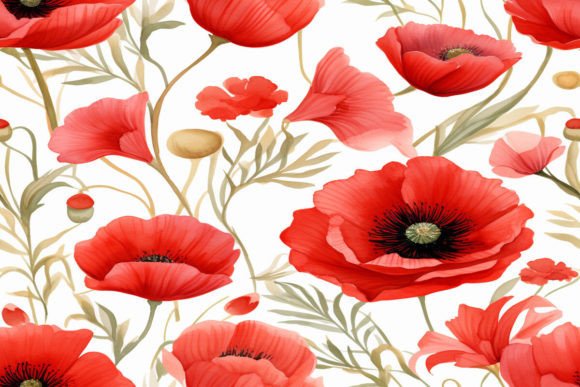
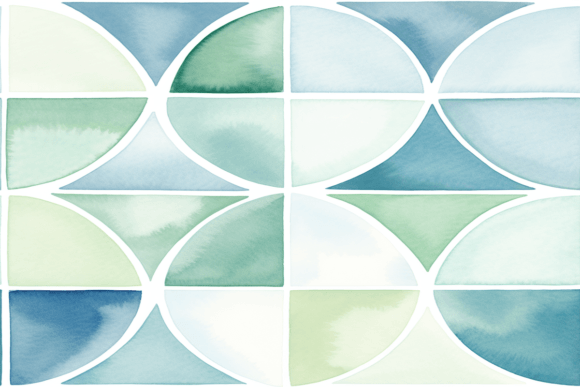
A watercolor seamless pattern is a digitally created artwork that mimics the soft, flowing, and organic look of traditional watercolor paintings. Unlike regular images, these patterns are constructed so that the edges align perfectly when tiled together, creating a continuous design without visible seams or repetition artifacts. This makes them incredibly useful for backgrounds, overlays, and decorative elements in various media.
The specific set mentioned here includes one high-resolution digital paper in JPG format, measuring 1200 × 800 pixels at 300 dpi. This resolution ensures clarity and sharpness, even when printed on physical materials like cards or fabric. The single-pattern format is perfect for users who want a focused design element rather than an extensive library of options.
Why Use Watercolor Seamless Patterns?
There are several reasons why watercolor seamless patterns are gaining traction across different industries:
- Creativity and Aesthetics: They add a touch of elegance and artistry to any project. Their hand-painted feel brings warmth and uniqueness to otherwise flat designs.
- Flexibility: Because they are seamless, these patterns can be scaled, rotated, or repeated as needed without compromising the visual integrity of the design.
- Time-Saving: Instead of painting large sections manually, users can apply a watercolor pattern quickly and efficiently using digital tools like Photoshop or Canva.
- Professional Quality: With a resolution of 300 dpi, these patterns are suitable for both digital and print formats, ensuring consistent quality across all outputs.
Applications of Watercolor Seamless Patterns
Watercolor seamless patterns are not just limited to artistic expression—they serve practical purposes in many fields. Here are some of the most common uses:
1. Planner Stickers and Stationery
In bullet journaling and planner culture, watercolor patterns are often used to create decorative stickers, tabs, or page dividers. Their gentle colors and fluid textures complement handwritten notes and minimalist layouts, helping users stay organized while adding visual appeal.
2. Scrapbooking and Photo Albums
Scrapbook albums benefit greatly from watercolor seamless patterns. Whether used as background papers or accents, they help preserve memories with a personal and artistic touch. The JPG format ensures easy integration into digital scrapbooks or printable layouts.
3. Web Design and Digital Media
In the world of web design, watercolor patterns offer a way to make websites stand out without overwhelming the user. They’re commonly used in blog headers, landing pages, or as subtle overlays behind text. Their soft tones can evoke emotions and enhance brand identity.
4. Invitations and Cardmaking
Wedding invitations, birthday cards, and other event-related graphics often feature watercolor seamless patterns. These designs give a sense of sophistication and creativity, setting the tone for the occasion while remaining visually appealing.
5. Home Decor and Fabric Printing
With the rise of DIY home decor trends, many people are turning to watercolor patterns for wall art, throw pillows, or custom curtains. The ability to scale and tile these patterns makes them perfect for fabric printing, allowing homeowners to personalize their living spaces with a handmade flair.
6. Business Cards and Letterhead
Professionals in creative fields such as graphic design, fashion, or illustration often use watercolor patterns on business cards and letterheads to reflect their artistic style. This helps create a memorable brand image and distinguishes their work from more conventional designs.
7. Collages and Craft Projects
Whether working with digital tools or physical mediums, collages and mixed-media crafts thrive with the addition of watercolor seamless patterns. They provide a cohesive base for combining photos, text, and other embellishments, enhancing the overall composition.
Understanding the Benefits of High-Resolution Files
One key aspect of this watercolor seamless pattern set is its high-resolution output—1200 × 800 pixels at 300 dpi. This level of detail is essential for anyone planning to print their designs. Low-resolution images may appear pixelated or blurry when printed, which can detract from the professional look of a finished product.
Having a file at 300 dpi means it’s optimized for print media, whether it’s a small sticker or a full-sized poster. Additionally, the JPG format is widely compatible with most design software and printers, making it convenient for users at all skill levels.
Common Misconceptions About Seamless Patterns
Despite their popularity, there are still some misunderstandings about what seamless patterns can and cannot do. Let’s clear up a few:
- Seamless ≠ Monotonous: While seamless patterns repeat without gaps, they are carefully crafted to avoid obvious tiling. This allows for a dynamic and natural-looking design even when stretched over large areas.
- Watercolor ≠ Only for Artists: Many beginners mistakenly believe that using watercolor patterns requires advanced artistic skills. However, these files are designed to be user-friendly and can be applied easily with basic design knowledge.
- Patterns ≠ Backgrounds Only: Although often used as backgrounds, watercolor seamless patterns can also be layered, masked, or combined with other elements to create intricate compositions.
How to Work with Watercolor Seamless Patterns
For those new to using digital patterns, the process might seem daunting at first. Here’s a simple breakdown of how to incorporate watercolor seamless patterns into your work:
- Select Your Tool: Choose a design platform like Adobe Photoshop, Illustrator, or online tools like Canva. Ensure your tool supports layering and transparency for best results.
- Import the Pattern: Open the JPG file in your chosen software. If your program allows, convert it into a pattern swatch for easy application.
- Apply and Adjust: Drag the pattern onto your canvas or select it as a fill. Adjust the size, opacity, and blending mode to suit your project's needs.
- Combine with Other Elements: Layer the pattern with text, illustrations, or photographs. Use masking techniques to blend the pattern naturally with other components.
- Export and Print: Once satisfied with the layout, export the final design in the appropriate format. For print, ensure color profiles and dimensions are correctly set before sending to the printer.
Watercolor Patterns in Modern Creativity
As digital tools continue to evolve, so does our approach to design. Watercolor seamless patterns represent a bridge between traditional art and modern technology. They allow artists and designers to bring the beauty of watercolor into digital workflows without the mess or unpredictability of actual paint.
Moreover, in today’s fast-paced world, people seek ways to express individuality and creativity. These patterns offer a solution by enabling quick customization of everyday items—from calendars and planners to packaging and branding materials. Their versatility makes them a favorite among educators, entrepreneurs, and hobbyists alike.
Real-Life Examples of Usage
To better understand the practical value of watercolor seamless patterns, let’s look at a few real-world scenarios:
- Event Planner: An event planner designing a wedding invitation suite might use a watercolor pattern as the background for save-the-dates, programs, and thank-you cards to maintain a cohesive theme.
- Educator: A teacher creating classroom posters or student handouts could apply a subtle watercolor pattern to make educational materials more engaging and less sterile.
- Fashion Designer: Someone working on a line of greeting cards or fabric swatches for a boutique might use a watercolor pattern to add texture and depth to their products.
- Freelance Graphic Designer: A designer building a website for a wellness brand might use a calming watercolor pattern in the header or footer to reinforce the brand’s aesthetic.
Choosing the Right Pattern for Your Project
While this particular set offers one pattern, understanding how to choose the right one for your project is important. Consider the following factors:
- Mood and Theme: Does the pattern evoke the feeling you want? Soft pastels might suit baby showers or spring-themed events, while bolder hues could work for art exhibitions or fashion lines.
- Color Harmony: Ensure the pattern complements the primary colors in your design. Too much contrast can distract from the main message or visuals.
- Scale and Layout: Think about how the pattern will interact with other design elements. Will it overpower text or illustrations, or will it act as a subtle enhancement?
- Printing Requirements: Always check the print specifications for your project. Even if the pattern looks great on screen, it must translate well to paper or fabric.
Conclusion
Watercolor seamless patterns are more than just decorative elements—they are powerful tools that can elevate the quality and impact of your creative work. Whether you're designing for personal use or commercial purposes, these patterns offer flexibility, beauty, and professionalism in equal measure.
By understanding their purpose, mastering their application, and choosing the right pattern for each project, you can unlock endless possibilities in design. As the demand for personalized and artistic content grows, watercolor seamless patterns remain a timeless and valuable resource for creators of all kinds.
So next time you're working on a project that needs a bit of soul, consider incorporating a watercolor seamless pattern. You might just find that it transforms your work in ways you never imagined.