Abstract Seamless Pattern Digital Paper: A Versatile Resource for Creative Projects
Abstract seamless pattern digital paper has become a staple in the creative toolkit of designers, crafters, and entrepreneurs alike. These patterns offer an elegant blend of artistry and functionality, allowing users to enhance their projects without worrying about visible seams or repetition issues. Whether you're designing social media banners, creating handmade stationery, or working on packaging for your business, having access to high-quality abstract seamless pattern digital paper can significantly elevate the visual appeal and professionalism of your work.
What Is Abstract Seamless Pattern Digital Paper?
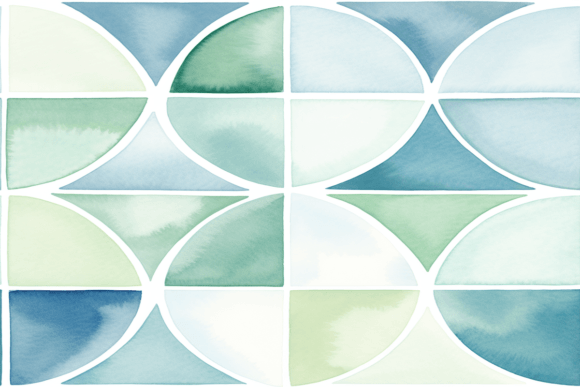
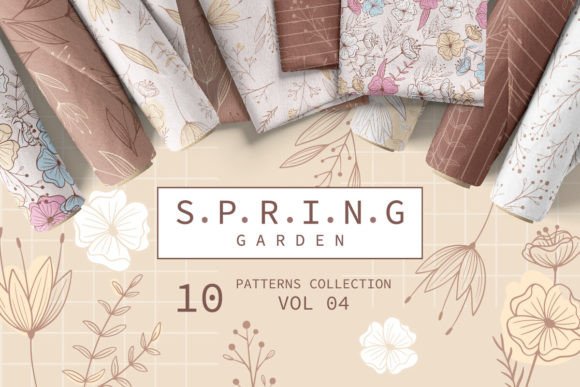
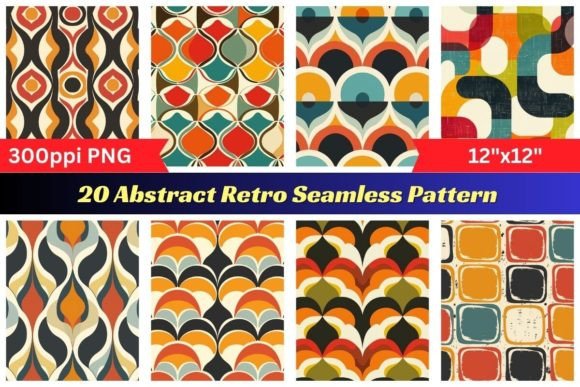
Abstract seamless pattern digital paper refers to digitally created designs that repeat seamlessly across a surface. This means there are no breaks or overlaps when tiled, making them ideal for backgrounds, textures, and decorative elements. The patterns often consist of geometric shapes, fluid forms, color gradients, and other non-representational visuals that evoke emotion and add interest to any project they're applied to.
These digital papers come in various formats such as AI (Adobe Illustrator) and PNG files, which cater to different design needs. For instance, AI files allow for easy customization and scalability, while PNG files with transparent backgrounds are great for overlaying onto existing images or designs.
Why It's Valuable for Creators and Businesses
For professionals in graphic design, marketing, and event planning, abstract seamless pattern digital paper provides a flexible way to maintain brand consistency while adding visual flair. Educators might use it to create engaging classroom materials, and hobbyists love its adaptability for scrapbooking and DIY crafts. Its ability to fit into multiple formats—like planner stickers, wedding invitations, and mug prints—makes it a go-to resource for those who value both aesthetics and efficiency.
Common Mistakes When Choosing and Using Digital Papers
Despite their usefulness, many people overlook key aspects when selecting or applying abstract seamless pattern digital paper. Here are some common pitfalls and how to avoid them:
- Ignoring File Quality: Low-resolution files can ruin the look of printed materials or high-detail digital assets. Always ensure the files you choose are at least 300 DPI for print and appropriately sized for digital use.
- Misunderstanding File Formats: Not all file types behave the same way. If you plan to edit or scale the pattern, opt for vector-based AI files. For digital overlays or web graphics, PNGs with transparency are more suitable.
- Overlooking Color Compatibility: Some patterns may not stand out against certain background colors. Before finalizing a design, test the pattern with your intended color scheme to ensure readability and visual harmony.
- Using Patterns Without Purpose: Just because a pattern looks nice doesn't mean it should be used everywhere. Overuse can lead to cluttered designs and distract from the main message. Use patterns strategically to highlight specific areas or add subtle texture.
The Importance of Resolution and Size
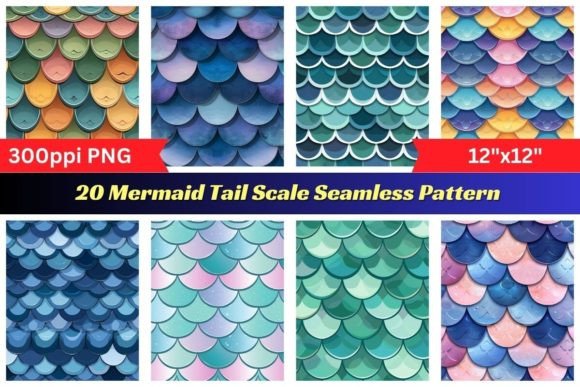
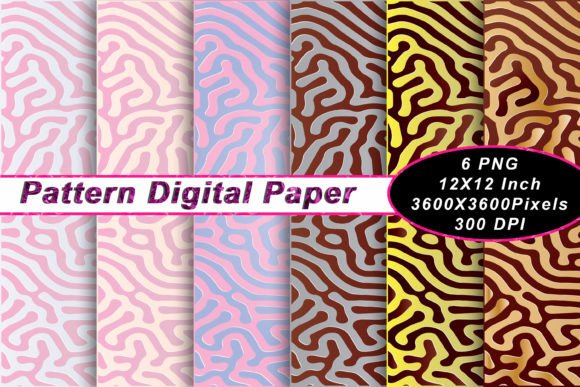
A frequently overlooked detail is the resolution and size of the digital paper. Many users download a pattern only to find it’s too small or blurry when printed. High-quality abstract seamless pattern digital paper typically comes in sizes like 12”x12” inches and resolutions of 300 DPI. This ensures crisp lines and vibrant colors whether you’re printing on cardstock or using it for a large banner.
When working with digital platforms, the pixel dimensions matter. Files sized at 3600 x 3600 px are excellent for most screen-based applications, providing enough detail for zooming and cropping without losing quality. Always check the file specifications before downloading to confirm they meet your project requirements.
Practical Tips for Better Design Outcomes
To get the most out of your abstract seamless pattern digital paper, consider these tips:
- Use Layers Effectively: In graphic design software, place the pattern on a separate layer so you can adjust its opacity, position, or apply filters without affecting the rest of your design.
- Test Print Before Finalizing: Especially for physical items like mugs, books, or wrapping paper, always do a test print to see how the pattern translates from screen to material.
- Choose Patterns That Reflect Your Brand or Theme: While abstract patterns are versatile, they should still align with your overall aesthetic. A minimalist brand might prefer clean geometric lines, while a more whimsical theme could benefit from soft, flowing designs.
- Optimize for Different Uses: Resize and reformat the pattern according to where it will be used. For example, a pattern used on a mug might need to be cropped differently than one used for a business card.
Real-World Examples of Effective Use
Imagine a small bakery preparing custom packaging for their seasonal treats. By using an abstract seamless pattern digital paper with warm pastel tones, they can give each box a unique yet cohesive look. The pattern repeats perfectly, ensuring no awkward gaps appear, and the high-resolution file maintains clarity even when printed on glossy paper.
Another example is a blogger redesigning their website. They choose an abstract seamless pattern with a transparent background to serve as a subtle background texture behind blog posts. This enhances the site's visual appeal without overwhelming the content, thanks to the careful selection of contrast and placement.
Things to Check Before Downloading or Purchasing
Before committing to a set of abstract seamless pattern digital papers, make sure to evaluate the following factors:
- License Type: Confirm if the pattern is free for commercial use or requires attribution. This is especially important for entrepreneurs and businesses.
- Compatibility With Software: If you're using Adobe Illustrator or Photoshop, ensure the file format works well with your tools. Vector AI files are editable, while PNGs are ready to use but not scalable beyond their original size.
- File Organization: A well-organized ZIP file with clear labels makes it easier to locate and use the right pattern quickly. Disorganized files can slow down workflow and lead to errors.
- Technical Support and Tutorials: If you're new to using digital papers, look for resources or support that can guide you through the process of editing and applying them effectively.
How to Avoid Costly Errors in Application
One major mistake is assuming all patterns will work the same across different mediums. For example, a pattern that looks perfect on a screen might not translate well to fabric or wood due to texture differences. Always preview how the pattern interacts with the chosen material, either through mockups or samples.
Also, don’t skip the step of extracting the ZIP file. Some beginners try to open compressed files directly without understanding the structure inside, leading to confusion or unusable assets. Most modern operating systems allow you to double-click the ZIP to extract automatically, making the process user-friendly.
Choosing the Right Set for Your Needs
If you're considering a digital paper set that includes six AI files and six PNG files, you’re already off to a good start. Having both formats gives you flexibility in how you want to use the patterns. But don’t forget to review the details: the size (12”x12”), resolution (300 DPI), and file organization within the ZIP are all critical for smooth integration into your workflow.
Look for sets that provide real-life application examples, such as mockups for mugs, cards, or websites. This helps you visualize the potential of each pattern and decide if it fits your creative goals.
Maximizing Efficiency and Creativity
With the right abstract seamless pattern digital paper, you can streamline your design process and boost creativity. Instead of spending hours creating your own seamless patterns, use pre-made sets to focus on the bigger picture—your project’s message, branding, and audience engagement.
Keep your library of digital papers organized by category and use case. For instance, group them under "Social Media," "Print Projects," or "DIY Crafts" to save time later. This practice also prevents duplication and wasted effort.
Conclusion
Abstract seamless pattern digital paper is more than just a background—it's a tool for storytelling, branding, and personal expression. By understanding the nuances of file formats, resolutions, and usage scenarios, you can avoid common mistakes and achieve professional results every time. Whether you're a seasoned designer or just starting out, investing in a well-crafted set like the 6 AI and PNG files described here can help you bring your ideas to life with ease and confidence.