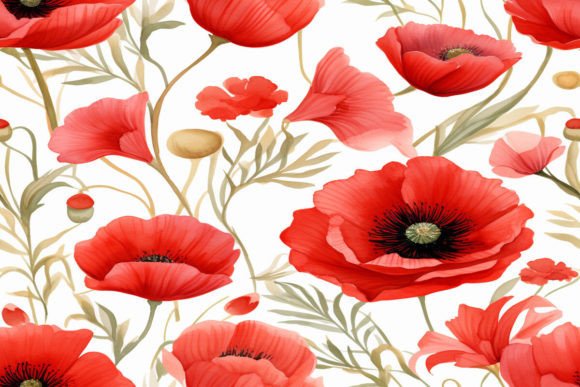
Watercolor Red Flower Pattern: A Versatile Design Element for Creative Projects
The watercolor red flower pattern is a beloved design motif that brings warmth, elegance, and a touch of nature to various creative applications. Known for its soft, blended hues and organic feel, this pattern captures the delicate beauty of blossoms in a watercolor style. Whether you're an artist, designer, or hobbyist, understanding how and where to use this pattern can elevate your projects significantly.
Understanding the Watercolor Red Flower Pattern
A watercolor red flower pattern typically features hand-painted floral elements with a translucent quality that mimics traditional watercolor techniques. The red tones range from deep crimson to soft rose, creating a dynamic yet harmonious visual effect. These patterns are often designed on a white or cream background to emphasize the fluidity of the brushstrokes.
When you receive a digital paper like the Watercolor Red Flower Pattern set, it usually includes high-resolution images (such as 1200 × 800 pixels at 300 dpi) in JPG format. This ensures clarity and detail when printed or used online, making it ideal for both professional and personal projects.
Key Features and Characteristics
- High Resolution: At 1200 × 800 pixels and 300 dpi, the pattern maintains sharpness even when scaled up.
- Watercolor Texture: The soft edges and color blending give it a natural, artistic look.
- Versatile Color Palette: The red tones can be subtle or vibrant, allowing for customization based on project needs.
- Digital Format: Being in JPG makes it easy to edit, print, or integrate into digital platforms without compatibility issues.
Applications and Use Cases
This pattern isn't just decorative—it's functional. Its gentle aesthetic complements a wide array of uses:
1. Planner Stickers and Bullet Journaling
For those who enjoy organizing their lives through bullet journals or planners, the Watercolor Red Flower Pattern adds a stylish element to date strips, dividers, and page headers. It helps personalize your journal while maintaining a cohesive and elegant theme.
2. Scrapbooking and Photo Albums
Scrapbook enthusiasts can use the pattern as backgrounds or accents to highlight photos and mementos. The red flowers evoke emotions of love, celebration, and springtime, making them perfect for documenting special events or memories.
3. Invitations and Cardmaking
Wedding invitations, birthday cards, or thank-you notes can benefit from the romantic and vintage appeal of this pattern. When combined with handwritten fonts or gold foil details, it creates a timeless look that stands out.
4. Web Design and Digital Graphics
Web designers often incorporate floral patterns subtly to enhance user experience. The Watercolor Red Flower Pattern works well as a header background, button accent, or decorative border—adding warmth without overwhelming the content.
5. Home Decor and Stationery
From wrapping paper to fabric printing, this pattern can transform everyday items into something extraordinary. Use it on custom note cards, calendars, or even as a wallpaper for a living room wall. Its versatility also extends to letterhead and business cards for small businesses aiming to convey creativity and charm.
6. Craft Projects and Collages
Crafters and artists find value in using this pattern as part of mixed media collages, DIY home decor, or handmade gifts. It blends seamlessly with other textures and colors, offering endless possibilities for customization.
Who Can Benefit from Using This Pattern?
The Watercolor Red Flower Pattern appeals to a broad audience due to its adaptability. Here’s a closer look at who might find it particularly useful:
- Artists and Illustrators: Those who work with digital art or print-based crafts will appreciate the natural look of watercolor flowers for adding texture to their work.
- Graphic Designers: Ideal for clients looking for soft, feminine designs or for branding that conveys warmth and authenticity.
- Event Planners: Enhance party themes, invitations, and decorations with a sophisticated floral touch.
- Hobbyists and DIY Enthusiasts: Perfect for scrapbooking, cardmaking, and other craft projects that require a pop of color and personality.
- Business Owners: Small businesses in niches like boutique shops, bakeries, or spas can use it to create branded materials that reflect their unique style.
Strengths and Limitations
One of the major strengths of the Watercolor Red Flower Pattern is its ability to blend into various design styles. It doesn’t clash easily and offers a sense of sophistication and calm. However, there are some limitations to consider:
- Color Intensity: While the soft red hues are charming, they may not suit bold or minimalist designs where subtlety could get lost.
- Printing Considerations: Always check the printer's specifications before printing to ensure the pattern retains its vibrancy and clarity.
- Design Overlap: Due to its intricate nature, the pattern should be used thoughtfully to avoid overcrowding layouts.
Real-World Scenarios and Practical Tips
Let’s explore a few real-world examples of how this pattern can be applied effectively:
Case Study: Wedding Invitation Suite
An event planner needed to create a wedding invitation suite that felt romantic and classic. By incorporating the Watercolor Red Flower Pattern as a background on the save-the-date cards and envelope liners, she achieved a luxurious yet approachable look. The pattern complemented the calligraphy text and helped establish a warm, inviting tone for the entire event brand.
DIY Project: Custom Scrapbook Album
A scrapbooking enthusiast wanted to document her family’s summer vacation with a personalized album. She used the Watercolor Red Flower Pattern as a base for each section, layering it with photos, handwritten notes, and other embellishments. The result was a beautifully curated memory book that stood out for its artistic flair and emotional resonance.
Professional Use: Branding for a Floral Shop
A local florist decided to rebrand her shop with a more modern and artistic image. The Watercolor Red Flower Pattern was chosen for her website banners, social media templates, and packaging. The pattern reinforced her brand identity by echoing the natural beauty of her products and providing a consistent visual language across all channels.
Evaluating Suitability for Your Needs
Before using the Watercolor Red Flower Pattern, consider the following questions to determine if it fits your project:
- Does the pattern match the overall aesthetic of my design? If I’m going for something edgy or modern, maybe a simpler design would work better.
- Will the red tones stand out against other colors in the layout? Testing the pattern with sample text or graphics can help identify potential contrast issues.
- Is the resolution sufficient for my intended use? For large prints or high-quality outputs, the 300 dpi specification is essential.
- Am I planning to modify the pattern? If yes, make sure it’s compatible with your editing software and file format preferences.
By asking these questions, you can ensure the pattern enhances rather than detracts from your project’s goals.
Alternatives and Complementary Patterns
While the Watercolor Red Flower Pattern is incredibly versatile, it’s worth exploring complementary options depending on the context:
- Watercolor Blue Flowers: Offers a cool contrast and is great for spring or ocean-themed projects.
- Monochrome Floral Designs: Provides a more subdued look while still retaining the essence of the original pattern.
- Abstract Backgrounds: Useful if you want to maintain the red tones but prefer a less literal floral representation.
Combining the Watercolor Red Flower Pattern with other elements like geometric shapes or solid blocks of color can also help balance the design and add depth.
Where to Find and How to Access
If you’re interested in using the Watercolor Red Flower Pattern for your next project, it's available from several digital marketplaces and design resources. Ensure you purchase a version that meets your specific needs—whether for print, web, or commercial use. Some sites offer multiple resolutions and formats, so always review the licensing information before downloading.
Additionally, many designers opt to pair this pattern with other watercolor motifs such as green leaves, butterflies, or vines to create more complex and engaging compositions.
Conclusion
The Watercolor Red Flower Pattern is more than just a pretty design—it’s a powerful tool that can bring life and emotion to a variety of creative projects. Whether you're designing for personal enjoyment or professional use, its natural beauty and flexibility make it a valuable asset. Just remember to evaluate its suitability for your specific needs and experiment with different applications to discover what works best for you.