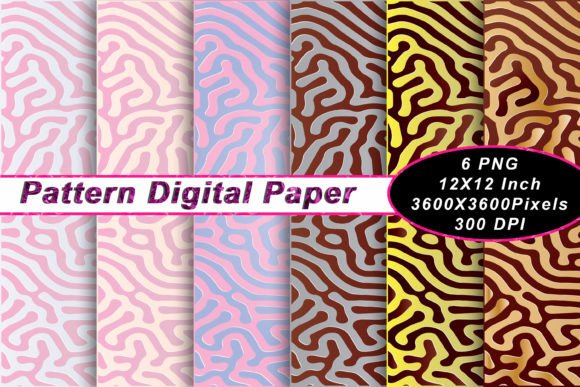
How to Use the Christmas Tree Pattern in Creative and Professional Projects
The Christmas Tree Pattern is a versatile digital asset that can bring festive charm to a wide range of creative and professional workflows. Whether you're designing holiday-themed content, creating custom stationery, or enhancing your planner with seasonal flair, this pattern serves as both an aesthetic and functional tool. This article explores how to effectively integrate the Christmas Tree Pattern into different use cases while maintaining quality, consistency, and efficiency in your work.
Understanding the Christmas Tree Pattern
A Christmas Tree Pattern typically features repeating tree motifs in various styles—ranging from traditional red and green to more modern minimalist designs. The pattern provided here is in PNG format (1200 × 800 pixels, 300 dpi), ensuring high-resolution output suitable for both print and digital applications. It’s ideal for those who want to maintain clarity and vibrancy across multiple platforms and mediums.
Preparation Before Using the Pattern
Before incorporating the Christmas Tree Pattern into any project, it's important to consider its compatibility and intended use. Start by evaluating the following:
- Project Type: Determine if the pattern will be used digitally (websites, social media) or in print (business cards, invitations, fabric printing).
- Color Scheme: Check if the colors in the pattern align with your brand or theme. If not, consider using photo editing tools to adjust hues or overlay text on top of the design.
- File Requirements: Since the file is 300 dpi, it works well for high-quality prints. For digital use, ensure that your platform supports PNG files and that the resolution remains optimal for screen display.
Using the Christmas Tree Pattern in Design Workflows
The Christmas Tree Pattern can be seamlessly integrated into several stages of a design process. Here are some practical ways to leverage it:
1. Planner Stickers and Organizational Tools
For educators, freelancers, or productivity-minded users, adding festive elements to planners can help boost motivation during the holiday season. Use the pattern as a background for planner stickers or cut around individual trees to create decorative accents. Pairing it with handwritten notes or digital calendars adds a personalized touch.
To implement this, open the pattern in your preferred graphic design software like Adobe Illustrator or Canva. Crop or resize the pattern to fit your sticker size. Consider layering it with other textures or fonts for added depth and visual interest.
2. Scrapbooking and Photo Albums
Hobbyists and creatives often use patterns to enhance scrapbook layouts. The Christmas Tree Pattern provides a thematic base for holiday memories. When preparing pages, place the pattern behind photos or journaling blocks. Adjust transparency levels so the pattern complements rather than competes with the content.
Tip: Print the pattern on cardstock or watercolor paper and cut it into shapes for layered backgrounds. This method helps maintain a tactile feel while preserving the pattern's integrity.
3. Web Design and Digital Assets
Marketers and web designers can use the pattern to create engaging holiday landing pages, email headers, or social media banners. Its high-resolution PNG format ensures it looks crisp on screens of all sizes. Apply the pattern as a subtle background or combine it with overlays for a balanced design.
Consider using CSS tiling techniques if the pattern repeats seamlessly. However, if the design has non-repeating elements, apply it as a single image within a section. Always test the layout on different devices to confirm responsiveness and readability.
4. Invitations and Cardmaking
Entrepreneurs and event planners can incorporate the Christmas Tree Pattern into holiday invitations, greeting cards, or thank-you notes. Its festive yet elegant appearance makes it suitable for both casual and formal events. To add a personal touch, overlay names, dates, or QR codes onto the pattern without overwhelming the design.
When printing, check that the pattern doesn’t cause ink bleed or misalignment. If sending digitally, compress the file appropriately to balance quality and loading speed.
Integration with Other Tools and Resources
The Christmas Tree Pattern works best when paired with complementary assets such as:
- Fonts: Choose serif or script fonts for a classic look, or sans-serif for a modern twist.
- Textures: Layer with subtle textures like snowflakes or frost effects to enhance the winter vibe.
- Icons and Illustrations: Add small illustrations of gifts, stars, or snowmen for a cohesive holiday theme.
- Templates: Use existing templates in platforms like Photoshop or Figma to streamline the design process.
Collaboration tools like Google Drive or Dropbox can help manage shared projects where the pattern is used across teams. Make sure everyone has access to the correct file version and understands how to apply it consistently.
Efficiency and Organization Tips
Here are some strategies to optimize your workflow when using the Christmas Tree Pattern:
- Batch Processing: If you need to apply the pattern to multiple files, use batch processing features in design software to save time.
- Asset Libraries: Store the pattern in a centralized design library so it's easily accessible for future projects.
- Version Control: Keep track of edited versions of the pattern to avoid confusion, especially if you’re modifying colors or dimensions.
- Template Creation: Build reusable templates that include the pattern as a background layer. This allows you to quickly customize new projects with minimal effort.
Use Cases Across Industries
Beyond personal creativity, the Christmas Tree Pattern finds utility in various industries:
Retail and E-commerce
Small business owners can use the pattern in product packaging, promotional banners, or branded merchandise. A consistent design across these elements builds brand recognition and enhances customer experience during the holiday season.
Education and Training
Teachers and online course creators may use the pattern in holiday-themed lesson plans, certificates, or interactive activities. It adds a cheerful element that can make learning more engaging, particularly for younger audiences or themed modules.
Marketing and Communications
Marketing professionals can apply the pattern in newsletters, ads, or press kits. It can subtly reinforce a seasonal campaign without being too literal. Pair it with clear calls-to-action and concise messaging to keep communication effective.
Quality Control and Long-Term Use
Whether you're using the pattern in a one-time craft project or planning long-term brand materials, quality control matters. Ensure the pattern maintains its clarity and color accuracy across all outputs. For long-term use, store the original file in a secure location and back up modified versions regularly.
If reusing the pattern for multiple years, consider updating it slightly to reflect evolving trends or brand changes. Even minor adjustments—like changing the color palette or adding new elements—can give your materials a refreshed look while retaining the holiday spirit.
Final Thoughts on Practical Implementation
Incorporating the Christmas Tree Pattern into your work doesn't have to be complicated. By understanding its technical specifications and considering how it fits within your broader creative or business goals, you can maximize its impact. Whether you're a hobbyist looking to decorate your home for the holidays or a designer crafting a seasonal marketing campaign, this pattern offers a reliable and stylish foundation.
As with any resource, the key is thoughtful application. Take the time to plan how the pattern will support your message, aesthetic, or functionality. With the right approach, it becomes more than just a visual—it becomes part of your process, helping you deliver organized, efficient, and memorable results.