Oil Lamp Background: A Timeless Design Element for Modern Creatives
Design elements that bridge the past and present often hold a unique charm, and Oil Lamp Background is one such asset. Combining historical inspiration with modern versatility, Oil Lamp Backgrounds have become a popular choice in creative fields ranging from digital design to print-based crafts. Whether you're a professional graphic designer or a hobbyist working on scrapbook layouts, these backgrounds offer an aesthetic appeal that resonates across various platforms and industries.
What Is an Oil Lamp Background?
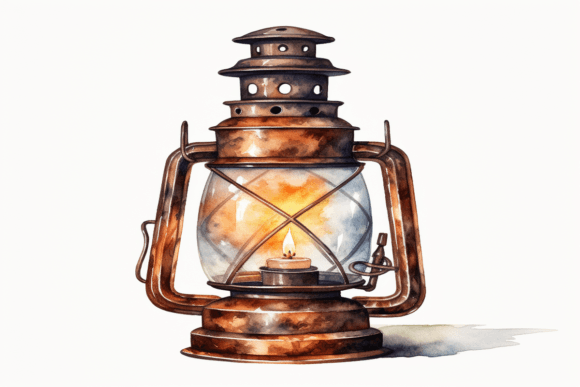
An Oil Lamp Background typically refers to a digitally created or photographed background image featuring an oil lamp as the central visual element. These images are often used to evoke a sense of nostalgia, warmth, or vintage charm. The set described here includes 1 high-resolution digital paper at 1200 × 800 pixels in PNG format, printed at 300 dpi to ensure clarity and quality for both digital and print applications.
The design might showcase a solitary oil lamp against a dark backdrop, or it could be part of a more elaborate scene filled with other antique objects like books, candles, or parchment. The lighting effect from the lamp adds a soft glow that enhances the mood of any project it's applied to.
Why Oil Lamp Backgrounds Are Gaining Popularity
In today’s fast-paced digital world, there's a growing trend toward incorporating vintage and handcrafted aesthetics into modern designs. This shift reflects a broader cultural movement where people seek authenticity and emotional connection through their surroundings. Oil lamps, once essential tools for illumination before electricity, now symbolize tradition, simplicity, and elegance.
Creative professionals and DIY enthusiasts are tapping into this sentiment by using Oil Lamp Backgrounds in projects that aim to stand out. These backgrounds help create a visual narrative that appeals to audiences looking for something different from the sterile, minimalist styles that dominate much of contemporary design.
Relevance Across Creative Industries
- Planner Stickers & Scrapbooking: Oil Lamp Backgrounds add a decorative touch while maintaining functionality. They can frame dates, quotes, or important reminders with a warm, nostalgic feel.
- Web Design & Digital Marketing: For websites targeting niche markets—like artisanal products, literary content, or heritage brands—these backgrounds provide an instant sense of character and depth.
- Invitations & Cardmaking: From wedding invitations to birthday cards, an Oil Lamp Background can give your designs a classic, elegant edge that stands apart in a sea of generic templates.
- Craft Projects & Collages: Artists who work with mixed media or collage techniques find these backgrounds useful for adding texture and contrast to their compositions.
- Home Decor & Stationery: Whether printed on canvas for wall art or used in custom letterhead, Oil Lamp Backgrounds bring a timeless look to personal or professional spaces.
How Oil Lamp Backgrounds Fit Into Current Trends
Today’s design trends emphasize storytelling and emotional resonance. Consumers are drawn to brands and products that reflect values like sustainability, craftsmanship, and history. An Oil Lamp Background fits seamlessly into this context by offering a visual cue that speaks to simpler times and enduring beauty.
Moreover, the rise of remote work and home-based businesses has led to an increased demand for personalized branding materials. Entrepreneurs and small business owners use these backgrounds to craft unique logos, website headers, and packaging designs that communicate their brand identity effectively. In marketing, especially for lifestyle and wellness brands, such imagery can subtly suggest comfort, tradition, and authenticity.
Evolution of Interest in Oil Lamp Imagery
While oil lamps were once common household items, they’ve evolved into symbolic representations of old-world charm. Over the past decade, interest in vintage aesthetics has surged, driven in part by social media platforms like Pinterest and Instagram. Users share and discover content that blends retro visuals with modern sensibilities, making Oil Lamp Backgrounds a go-to resource for many creatives.
This evolution is also supported by the accessibility of digital design tools and high-quality stock assets. With just a few clicks, anyone can integrate a professionally designed Oil Lamp Background into their work, whether they're designing a blog post layout or creating a set of printable party invitations.
Practical Applications and Benefits
Using an Oil Lamp Background isn't just about style—it's also about practicality. Here are some real-world examples of how it can enhance your projects:
For Bloggers and Content Creators
Blogs focused on history, literature, or homesteading benefit greatly from Oil Lamp Backgrounds. These images can be used in headers, feature banners, or even as subtle accents behind text blocks. Their warmth helps create a cozy reading experience, encouraging engagement and longer time spent on pages.
For Educators and Presenters
Teachers and speakers preparing presentations on historical topics, like the Industrial Revolution or early 20th-century life, can use Oil Lamp Backgrounds to visually reinforce the theme. The imagery adds a layer of authenticity that can make learning more immersive and relatable.
For Event Planners and Party Organizers
Weddings, birthdays, and themed parties often require a specific ambiance. An Oil Lamp Background can be used to create invitations, table settings, or photo booth backdrops that transport guests to another era. It's a versatile tool that allows planners to maintain consistency in their visual themes without relying on physical props.
For Business Branding
Small businesses, particularly those in the handmade, vintage, or artisan sectors, can leverage Oil Lamp Backgrounds to build a distinct visual identity. When used in logos, packaging, or promotional materials, they convey a sense of heritage and attention to detail. This can help differentiate a brand in a crowded market.
Choosing the Right Oil Lamp Background
Not all Oil Lamp Backgrounds are created equal. When selecting one for your project, consider the following factors:
- Resolution and Format: High-resolution PNG files, like the ones mentioned (1200 × 800 pixels, 300 dpi), are ideal for both digital and print use. Make sure the file meets the specifications required for your intended application.
- Color Palette: Choose a background that complements your color scheme. Oil lamps often cast a golden hue, so think about how this will interact with your text or other design elements.
- Lighting Effect: Some backgrounds highlight the glow of the lamp more than others. If you're using it for readability-focused projects like letterheads or web graphics, opt for a version with balanced lighting to avoid overwhelming the foreground content.
- Style and Context: Match the design to your overall theme. A simple black-and-white lamp may suit a minimalist project better than a heavily detailed, ornate version.
Real-World Examples of Oil Lamp Background Use
Here are a few scenarios where an Oil Lamp Background could elevate a design:
- A boutique bookstore uses the background for its website header to reflect its curated collection of rare and vintage titles.
- A freelance writer creates a blog series on candlelit evenings and incorporates the background into each post to maintain a cohesive theme.
- A craft store owner prints fabric with an Oil Lamp Background pattern to sell as decorative pillow covers or tote bags.
- A photographer applies the background to a matte finish in a client’s thank-you card design, enhancing the vintage feel of the entire suite.
Recommendations for Getting the Most Out of Oil Lamp Backgrounds
To maximize the impact of your chosen Oil Lamp Background, follow these best practices:
- Layer Wisely: If your design requires text or images over the background, use semi-transparent overlays or adjust brightness to maintain legibility.
- Test Across Devices: Ensure the background looks good on both mobile and desktop screens. Sometimes, overly complex details can get lost on smaller displays.
- Pair with Complementary Assets: Combine the Oil Lamp Background with fonts, icons, or textures that match the same vintage aesthetic to create a unified look.
- Use in Print with Caution: While 300 dpi is suitable for most print jobs, double-check if your printer has specific requirements for resolution and file type.
Where to Use It Beyond the Obvious
Though commonly associated with scrapbooking or invitations, Oil Lamp Backgrounds can also serve unexpected purposes:
- Podcast Artwork: Create a memorable podcast cover that tells a story and builds listener trust.
- YouTube Thumbnails: Stand out in search results by using a warm, inviting thumbnail design.
- Product Packaging: Add a touch of class to product boxes or labels for niche markets.
- Printable Quotes or Journal Pages: Frame motivational quotes or journal prompts with a design that feels meaningful and timeless.
Conclusion: Embracing the Past in Today’s Designs
In a landscape increasingly dominated by sleek, modern aesthetics, the Oil Lamp Background offers a refreshing alternative. Its ability to evoke emotion, tell a story, and fit into multiple creative workflows makes it a valuable addition to any designer’s toolkit. As trends continue to favor authenticity and warmth, we can expect to see more innovative uses of this classic motif.
Whether you're crafting a digital brochure, designing a planner page, or printing a set of elegant business cards, the right Oil Lamp Background can transform your project. By understanding its relevance and applying it thoughtfully, you can connect with your audience on a deeper level while staying true to your creative vision.