Watercolor Poinsettia Background: A Versatile Design Element for Creative Projects
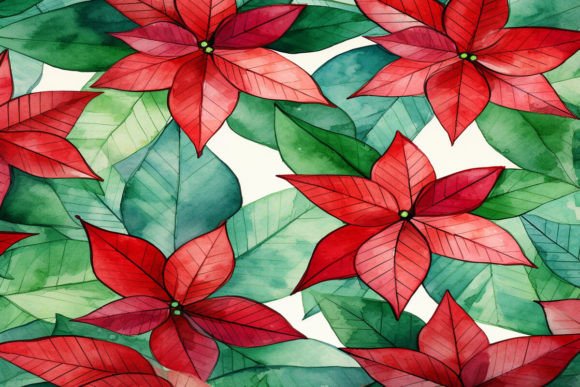
The Watercolor Poinsettia Background is a digital asset that brings a touch of elegance and seasonal charm to a wide range of creative applications. This high-resolution background, measuring 1200 × 800 pixels in Jpg format at 300 dpi, features the soft, flowing brushstrokes of watercolor poinsettias—those vibrant red (or other colored) holiday flowers that symbolize warmth, joy, and festivity. Whether you're designing invitations, planner stickers, or web graphics, this background offers a visually appealing foundation that can enhance your work without overpowering it.
Understanding the Role of Watercolor Poinsettia Backgrounds in Design
In the world of graphic design, backgrounds play a crucial role in setting the tone and aesthetic of any project. The Watercolor Poinsettia Background serves as a subtle yet expressive layer that supports content rather than competes with it. Its translucent nature and gentle color gradients make it ideal for overlaying text, images, or other design elements while maintaining visual harmony.
This type of background fits well into workflows where organic and artistic textures are preferred over rigid, geometric patterns. It's especially useful during the planning phase of a project when establishing a theme or mood board. Once selected, it can be seamlessly integrated into various stages of the design process, from initial sketches to final print-ready layouts.
Where to Use a Watercolor Poinsettia Background
One of the strengths of the Watercolor Poinsettia Background is its adaptability across multiple platforms and media types. Here are some common use cases:
- Planner Stickers & Scrapbooking: Add festive flair to bullet journals, planners, or scrapbook pages by using the background as a base for custom stickers or layered paper cutouts.
- Web Design: Incorporate the background into landing pages, blog headers, or promotional banners for a cozy, handcrafted look.
- Invitations & Cardmaking: Ideal for holiday cards, wedding invites, or birthday announcements, where a delicate floral pattern can elevate the overall feel of the piece.
- Craft Projects: Use the background in DIY kits, such as handmade greeting cards, gift tags, or decorative wall art.
- Home Decor Items: Print on canvas, fabric, or wallpaper to create unique holiday decorations or year-round accents with a botanical theme.
- Business Cards & Stationery: Infuse creativity into professional branding by printing the background subtly behind contact information or logos.
Integrating the Background into Your Workflow
Before starting a new project, consider whether a Watercolor Poinsettia Background aligns with your brand identity or event theme. If so, begin by downloading the file and importing it into your design software. Adobe Photoshop, Illustrator, or even free tools like Canva and GIMP support Jpg files and allow for easy manipulation.
During the design process, experiment with layer opacity settings to balance the background with foreground elements. You might also want to add filters or blend modes to match the background’s softness with your text or illustrations. For instance, a slight Gaussian blur or desaturation can help integrate the background more naturally if it becomes too prominent.
After finalizing your design, ensure compatibility across different output formats. When preparing for print, confirm that the background remains visible at 300 dpi and does not lose quality. For digital use, compress the file appropriately without sacrificing clarity, especially if embedding it in websites or emails.
Workflow Example: Creating a Holiday Invitation
- Start with a clean layout and define the purpose of the invitation (e.g., party, wedding, product launch).
- Select the Watercolor Poinsettia Background and import it into your design tool.
- Adjust the opacity so the background complements the main message but doesn't distract from it.
- Add text, fonts, and colors that reflect the event’s tone. Consider using gold or white for contrast against the red tones of the poinsettias.
- Insert additional design elements like snowflakes, holly, or handwritten notes for added texture.
- Export the final file in both print and digital formats, ensuring resolution and size meet platform requirements.
Compatibility and Usability Tips
When working with the Watercolor Poinsettia Background, it's important to assess how it interacts with other design components. Since it’s in Jpg format, it’s best suited for projects where transparency isn’t necessary. However, you can still achieve layered effects by using clipping masks or blending options in most design programs.
If you plan to use the background in digital marketing materials, test it across different devices and screen sizes. Make sure the poinsettia pattern remains legible and aesthetically pleasing on mobile phones, tablets, and desktop monitors. For print materials, check how the colors translate in physical form—some screens may display richer reds than what appears in ink.
Optimizing for Long-Term Use
To maintain consistency in branding or personal projects, save the Watercolor Poinsettia Background in an organized digital folder. Label it clearly and include it in your asset library alongside other seasonal or thematic backgrounds. This helps streamline future designs and ensures you always have access to trusted visual elements.
Consider creating variations of the background for reuse. For example, you could crop it into smaller sections for use as borders, or convert it to grayscale for a more subdued effect. These adaptations can expand its usability without needing to purchase additional assets.
Quality Control and Practical Implementation
High-quality visuals matter, especially when presenting professionally. Before publishing or printing, review the background under different lighting conditions and zoom levels to catch any imperfections. Ensure the edges are smooth and the pattern repeats evenly if used in larger compositions.
Also, think about the context of the project. A Watercolor Poinsettia Background works best in projects with a warm, inviting vibe. Avoid using it in corporate reports or formal documents unless the style matches the intended audience and purpose.
Useful Observations for Creative Professionals
Many designers find that incorporating a Watercolor Poinsettia Background into their work improves engagement. The natural, hand-painted look resonates with users who prefer authenticity over sterile digital aesthetics. Bloggers and educators, for instance, often use these backgrounds in newsletters or educational materials to evoke a sense of approachability and creativity.
Entrepreneurs and small business owners benefit from using such backgrounds in packaging or promotional materials. They can differentiate their brand from competitors by offering a more personalized and artistic experience to customers.
Storage and Organization Best Practices
As part of efficient workflow management, organize your digital assets properly. Create a dedicated folder for seasonal backgrounds, including the Watercolor Poinsettia Background. Name the file something clear and consistent, like "watercolor_poinsettia_background_1200x800.jpg," and store it in cloud-based services such as Google Drive or Dropbox for easy access across devices.
Using metadata tags can also help. Label the file with terms like “holiday,” “festive,” “botanical,” or “watercolor” to make it easier to search later. This is particularly useful if you're managing a large collection of design resources.
Enhancing Creativity Through Layered Design
Designers often combine the Watercolor Poinsettia Background with other textures, such as linen, parchment, or vintage paper, to create rich, multi-layered compositions. This technique adds depth and visual interest without complicating the user interface or overwhelming the viewer.
You can also pair it with minimalist design principles. A simple sans-serif font and limited color palette will highlight the beauty of the background without competing with it. This approach is especially effective in modern scrapbooking or editorial layouts.
Conclusion: Making the Most of This Digital Asset
The Watercolor Poinsettia Background is more than just a decorative element—it’s a functional part of many creative workflows. By understanding its role in design, testing its compatibility with your tools, and organizing it effectively, you can leverage this resource to produce engaging and professional results. Whether you’re a hobbyist making holiday cards or a marketer crafting a seasonal campaign, the right background can significantly impact the final outcome.