What Is a Floral Background and How to Use It Effectively
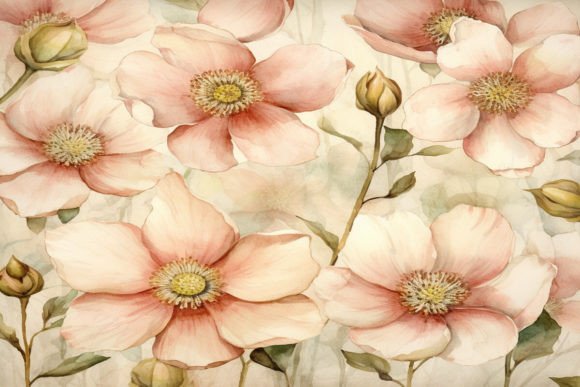
A Floral Background is a design element that features floral motifs, such as flowers, leaves, vines, or petals, arranged in patterns or textures. These backgrounds are widely used in both digital and print media due to their aesthetic appeal and versatility. When created in high resolution—such as 1200 × 800 pixels at 300 dpi—and saved in PNG format, they offer transparency options and crisp detail, making them ideal for various creative projects.
Understanding the Appeal of Floral Backgrounds
Floral Backgrounds bring a sense of warmth, elegance, and natural beauty to any project. They can be subtle or bold, depending on the designer’s intent and the audience they’re targeting. Unlike solid color or abstract backgrounds, floral designs often evoke emotions related to spring, romance, femininity, or organic themes. This makes them particularly popular in niches like wedding invitations, greeting cards, fashion, and lifestyle branding.
The distinctiveness of a Floral Background lies in its ability to blend visual interest with functionality. Whether it's for enhancing the look of a planner sticker or adding depth to a scrapbooking page, the right floral pattern can transform a simple layout into something visually engaging without overwhelming the content.
Key Uses of Floral Backgrounds
Floral Backgrounds are incredibly versatile and suitable for a wide range of applications. Here are some common use cases where these designs shine:
- Planner Stickers & Scrapbooking: Add texture and charm to bullet journals, planners, or scrapbook pages.
- Web Design: Create soft, inviting sections on websites or landing pages for lifestyle brands or wellness businesses.
- Invitations & Cardmaking: Ideal for wedding invites, birthday cards, thank-you notes, and more.
- Craft Projects: From DIY home decor items to handmade gift tags, floral backgrounds provide an artistic touch.
- Photo Albums & Collages: Enhance printed photo albums or digital collages with elegant floral accents.
- Business Cards & Stationery: A floral background can make your business card stand out while maintaining professionalism.
- Fabric Printing: Used in textiles for clothing, home décor, or accessories like pillow covers and tablecloths.
- Letterhead & Branding Materials: Incorporate subtle floral elements into corporate or personal branding for a unique yet refined appearance.
Strengths and Limitations of Using a Floral Background
There are several advantages to using a Floral Background, especially when designed correctly. One major benefit is the emotional resonance they bring. Flowers are universally recognized symbols of beauty, growth, and positivity, which makes them excellent for creating welcoming or uplifting visuals.
Another strength is their adaptability. With variations in colors, styles (realistic vs. stylized), and densities, floral backgrounds can be tailored to suit minimalist aesthetics or vibrant, eye-catching layouts. The PNG format ensures compatibility across different platforms and allows for easy layering with text or other graphic elements.
However, there are also limitations to consider. For instance, floral patterns may not work well for all types of content. If you're designing something with a lot of text, a busy floral background could make the text hard to read. Similarly, in professional or corporate environments, overly ornate floral designs might appear too casual or unrefined.
It's also worth noting that while floral backgrounds can add visual interest, they may require careful balancing with other design elements to avoid looking cluttered. Choosing the right scale and placement of floral elements is crucial to maintain clarity and focus in your design.
When to Choose a Floral Background Over Alternatives
Deciding whether a Floral Background is the best choice depends on the context and purpose of your design. Let’s explore scenarios where this type of background is most effective compared to alternatives like geometric patterns, watercolor washes, or minimalistic gradients.
Best-Fit Situations for Floral Backgrounds
Floral backgrounds are particularly well-suited for the following situations:
- Personalized or Lifestyle Content: For items like birthday cards, scrapbooks, or social media graphics, floral backgrounds add a personal and warm feel.
- Wedding and Event Designs: Their romantic and elegant nature makes them perfect for wedding invitations, party decorations, and event flyers.
- Brand Identity with a Soft Edge: Brands in the beauty, wellness, or fashion industries often use floral elements to reflect their values of natural beauty and creativity.
- Printable Crafts: Because they are typically offered in high-resolution PNG format, they are great for printing on stickers, paper crafts, and fabric.
Alternatives to Consider
If your project requires a more modern or professional look, you might want to consider alternative background styles:
- Geometric Patterns: These offer structure and symmetry, ideal for tech-related or contemporary designs.
- Watercolor Backgrounds: Provide a softer, more artistic feel than florals but still retain a sense of creativity.
- Minimalist Gradients: Best for clean, modern interfaces where the focus should remain on content rather than decoration.
- Abstract Art or Doodles: Suitable for educational or playful content, offering a unique style without the traditional floral connotations.
In each case, the choice between a Floral Background and another option will depend on the tone you wish to convey, the target audience, and the platform where the design will be displayed.
Design Tips for Working with Floral Backgrounds
To get the most out of your Floral Background, consider the following best practices:
- Balance Complexity: Avoid using overly dense or intricate patterns if your design already has a lot of elements. Simpler floral motifs often integrate better.
- Match Color Schemes: Ensure the colors in the floral background align with your brand palette or the mood of the project.
- Use Transparency Wisely: Since many floral backgrounds come in PNG format, take advantage of transparent layers to overlay text or images seamlessly.
- Scale Appropriately: Resize the background to fit your canvas without distorting the floral elements. Maintaining proportions is key to preserving visual harmony.
- Layer Thoughtfully: Combine floral backgrounds with other textures or overlays (like light gradients or subtle shadows) to add depth and dimension.
Practical Examples of Floral Background Usage
Here are some real-world examples where a Floral Background adds value:
1. Wedding Invitations
Using a delicate floral background in a wedding invitation gives it an instant air of sophistication and romance. It pairs well with calligraphy-style fonts and gold foil accents, creating a cohesive theme that reflects the celebratory nature of the event.
2. Home Decor Items
Floral backgrounds are commonly used in printable wall art, throw pillow designs, and wrapping papers. The PNG format allows for easy customization and resizing, so you can tailor the design to fit your space perfectly.
3. Planner Stickers
Many planners include decorative stickers to highlight sections or goals. A floral background on a set of planner stickers can help organize your space while adding a pop of color and style.
4. Business Stationery
For small businesses or creative professionals, a floral background on letterheads or envelopes can create a memorable first impression. Just ensure the design doesn’t overpower the company name or logo.
Choosing the Right Floral Background for Your Needs
With so many options available, how do you choose the best Floral Background? Here are some decision factors to keep in mind:
- Project Type: Determine whether the background needs to be decorative or functional. For example, web design may need a less intrusive pattern than a scrapbook page.
- Target Audience: If your audience prefers modern and clean aesthetics, opt for a simpler floral design. For those who enjoy vintage or bohemian styles, a more detailed floral pattern may be appropriate.
- Color Coordination: Make sure the colors of the floral background complement the rest of your design elements. Too many clashing hues can reduce readability and visual appeal.
- Resolution and Format: High-resolution PNG files at 300 dpi are essential for print projects. For digital use, ensure the file size remains manageable without sacrificing quality.
When a Floral Background Might Not Be the Best Choice
While floral backgrounds are beautiful and versatile, they aren't always the optimal solution. Here are some instances where you might prefer a different style:
- Corporate Websites or Brochures: In these settings, a more subdued or abstract background is usually preferable to maintain a professional image.
- High-Contrast Content: If your design includes dark text or complex illustrations, a white or light-colored floral background might not provide enough contrast.
- Modern Minimalism: Some design trends favor simplicity and negative space over decorative elements. In such cases, a floral background could clash with the intended style.
Being aware of these tradeoffs helps you evaluate whether a Floral Background truly fits your needs or if another approach would serve your message and design better.
Final Thoughts on Utilizing Floral Backgrounds
A Floral Background is more than just a decorative feature—it’s a strategic design tool that can enhance the visual storytelling of your project. Whether you're working on a scrapbook layout, a custom invitation, or a branding package, selecting the right floral pattern can significantly impact the overall impression.
By understanding the strengths and limitations of floral backgrounds, and comparing them to other design options, you can make a more informed decision. The key is to balance beauty with usability, ensuring that the background supports the purpose of your content rather than distracting from it.