Personal Brand Identity Mockups: A Strategic Tool for Building a Professional Image
In today’s competitive digital landscape, establishing a strong personal brand is essential whether you're an entrepreneur, freelancer, or small business owner. One of the most effective ways to communicate your brand identity visually is through Personal Brand Identity Mockups. These mockups are more than just templates—they’re powerful tools that help you showcase your logo, business cards, and website in a clean, professional, and strategic manner.
What Are Personal Brand Identity Mockups?
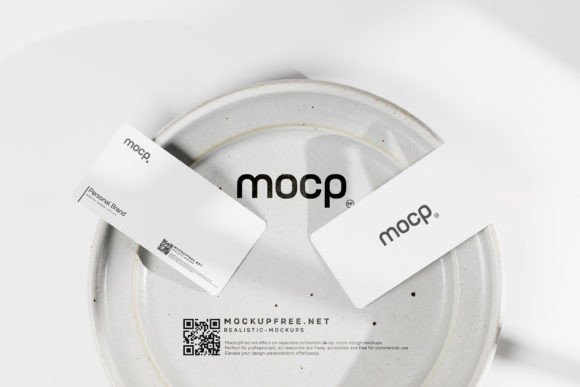
Personal Brand Identity Mockups are high-quality design templates that allow you to visualize how your branding elements appear in real-world contexts. They typically include scenes such as business cards on a desk, logos displayed on tablets or notebooks, and other accessories like plates or bricks to add depth and variety. With a consistent clean white theme, these mockups emphasize minimalism and clarity, which aligns perfectly with modern brand aesthetics.
Their primary purpose is to provide a realistic presentation of your brand assets before they go into production. Whether you're preparing materials for a client pitch, social media launch, or portfolio update, mockups can help you make better decisions by showing how your designs will look in actual environments.
Strategic Benefits of Using Personal Brand Identity Mockups
- Professional Presentation: Mockups give your brand a polished appearance, especially when showcasing your logo or business card next to a tablet displaying your website.
- Brand Consistency: By using mockups across different platforms and materials, you ensure your visual identity remains cohesive and recognizable.
- Time Efficiency: Instead of setting up physical photoshoots, mockups save time while still delivering high-quality visuals.
- Flexibility: You can easily customize colors to match your brand palette, making it simple to adapt the mockups for various uses.
Supporting Your Branding Goals
Thoughtful use of Personal Brand Identity Mockups supports multiple aspects of your branding strategy. For instance, during brand positioning, these mockups can help you test how your logo looks in different settings—on a brick wall, next to a notebook, or against a minimalist backdrop. This lets you refine your visual identity based on real feedback rather than assumptions.
When planning your marketing communications, mockups serve as a foundation for creating promotional content. Imagine using a scene where your business card sits beside a laptop open to your LinkedIn profile. It's a subtle but effective way to reinforce your online presence and credibility without overwhelming the viewer with information.
Realistic Use Cases and Planning Tips
Let’s explore some practical scenarios where Personal Brand Identity Mockups can be leveraged effectively:
- Portfolio Websites: Display your business card and logo in a lifestyle context to build trust and familiarity with potential clients or employers.
- Social Media Campaigns: Use mockups to create consistent posts across platforms, reinforcing your brand message with every visual.
- Client Presentations: Show how your brand would appear in tangible formats like printed cards or digital displays, helping clients envision the final product.
- Printed Materials: Before ordering bulk prints, use mockups to preview how your brand looks in person, reducing the risk of costly errors.
Here are a few tips to get the most out of these mockups:
- Choose mockup scenes that reflect your industry and values—freelancers might prefer desk setups, while educators may find a chalkboard or notebook scene more relatable.
- Ensure color consistency across all branding elements. If your logo has specific hues, apply them uniformly in the mockups for a seamless look.
- Use high-resolution versions of your logo and business cards to maintain professionalism and avoid pixelation.
When to Use Mockups and How to Approach Them
Personal Brand Identity Mockups should be used at key stages in your branding journey. During the early planning phase, they can help you brainstorm how your brand might look in the real world. Later, they become valuable for refining your identity and presenting it to stakeholders or clients.
Approach their use with intentionality. Rather than randomly applying mockups to any design, consider how each one contributes to your overall brand story. For example, placing your business card on a stack of logs could symbolize stability and growth, while a tablet mockup can highlight your digital presence and innovation.
Risks of Random Usage
While mockups offer many benefits, there are risks associated with using them without clear goals or context. Overusing mockups can lead to visual fatigue, where your audience becomes desensitized to the imagery because it feels generic or overused. Similarly, choosing mockups that don’t align with your brand personality can confuse your message and dilute your identity.
To avoid this, always ask yourself: Does this mockup support my brand’s values? Will it resonate with my target audience? Is it being used to enhance understanding or simply fill space? These questions will help you stay focused on strategic application rather than aesthetic convenience.
Long-Term Value and Minimalist Design
Minimalism isn't just a trend—it's a design philosophy that promotes clarity and focus. The minimalist style of Personal Brand Identity Mockups ensures your brand remains the focal point, avoiding distractions from busy backgrounds or unnecessary props. This makes them particularly useful for professionals who want to project simplicity, sophistication, and reliability.
Over time, maintaining a consistent look with mockups helps build brand recognition. When people see your logo placed thoughtfully in a clean environment, they start to associate those qualities with your services or products. This subtle reinforcement is crucial for long-term brand success.
Creating a Cohesive Visual Strategy
To integrate Personal Brand Identity Mockups into your broader visual strategy, begin by identifying the core components of your brand. These often include your logo, color scheme, typography, and key messaging. Once these are defined, select mockups that complement and extend these elements into real-life applications.
For instance, if your brand relies heavily on trust and expertise, a scene featuring a tablet screen with your website URL can subtly suggest accessibility and transparency. Pairing this with a business card mockup reinforces your commitment to both digital and physical representation of your brand.
Decision-Making Guidance for Effective Use
When deciding which mockups to use, keep these considerations in mind:
- Understand your audience and choose mockups that speak to their expectations and preferences.
- Match the tone of the mockup with the message you're trying to convey—professional, creative, educational, etc.
- Limit the number of mockups per presentation or campaign to avoid clutter and maintain impact.
- Test different mockups in various formats (social media, print, presentations) to see what works best.
Final Thoughts on Purpose-Driven Branding
Personal Brand Identity Mockups are not just about looking good—they're about communicating clearly and strategically. When used intentionally, they can elevate your brand's visibility, strengthen your message, and support your long-term goals. Whether you're launching a new venture or rebranding an existing one, these mockups offer a versatile and cost-effective solution for presenting your identity in its best light.
By focusing on thoughtful application and alignment with your brand values, you’ll maximize the impact of each mockup and create a lasting impression that resonates with your audience.